
What is the Hot Springs Health Community Health Worker Program?
As part of a regional coalition of Community Health Workers, CareReach partners with Hot Springs Health Program (HSHP) to provide Community Health Worker (CHW) services in Madison County. Funded through a grant from Dogwood Health Trust, this program provides vital support for our neighbors and links patients to services that include food, transportation, support with utilities, and more.
The Hot Springs Health Program CHW works with the local health department and other community partners to identify and assist those in the Madison County area who need help accessing medical or social services.
The CareReach Community Health Worker (CHW) plays a vital role by providing peer-to-peer education and support, meeting patients either on-site or in the community to identify and address individual needs. The CHW delivers food boxes, provides transportation to medical appointments, and connects patients to additional services and support. Resources can include medication assistance, enrollment assistance for insurance programs, personal care supplies, and other essential needs.

In 2024, the CareReach CHW saw nearly 200 patients and provided over 200 referrals addressing social determinants of health (SDOH). The CHW collaborates with local partners—including food hubs, police departments, and libraries—to meet community needs. Through partnerships with TRACTOR Food & Farms and the WNC Food Systems Coalition, the CHW provides food boxes to 30 families annually.
Additional supports, funded directly through Hot Springs Health or through community grants such as the Berea Fund and First Baptist Church, include gift cards for food, blood pressure cuffs, vitamin drops, and assistance with medication co-pays. The CHW plays an essential role in community outreach, through local libraries and at mobile markets with informal partners such as the YMCA.
What do Community Health Workers do?
-
CHWs link people to resources that help maintain their health, including medications, transportation, food, healthcare, legal services, and more. They provide support and education on a peer-to-peer level.
-
CHWs bring services directly to patients through 1:1 visits, community-based meetings, and on-site clinic support.
-
They help address transportation challenges (especially prevalent in rural Madison County), ensuring patients can attend appointments and access pharmacies or specialty care.
-
CHWs extend the care team in the clinical setting by supporting follow-up, education, and resource coordination to maintain continuity for the patient.
-
CHWs help prevent avoidable emergency department use and hospitalizations by supporting early intervention and care follow-through.
-
CHWs play a key role in reaching rural residents who are uninsured, underinsured, older adults, or living with chronic conditions.
The Hot Springs Health Program is dedicated to serving the primary health care needs of the people of Madison County and surrounding areas through an organization oriented to and directed by the community. The Hot Springs Health Program began over 50 years ago and is comprised primarily of clinicians. The non-medical Community Health Worker (CHW) adds significant value in clinical settings by strengthening access, improving outcomes, and reducing costs—especially for underserved populations. In rural settings, CHWs are especially valuable because they help overcome geographic, economic, and other barriers that limit access to care.
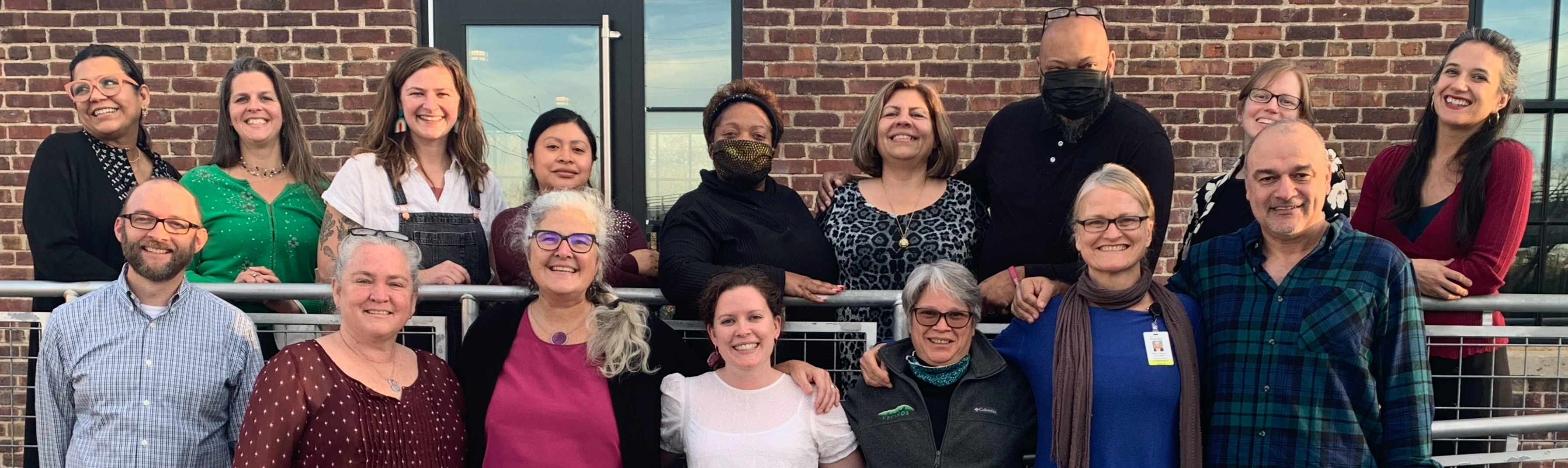 Click the photo above for more information about "A Day in the Life" of a Community Health Worker. This was a PowerPoint put together as a result of an assignment from a CHW certification class at AB Tech and a research project with the NC Center for Health and Wellness.
Connect with Us
To connect with Jacque B., Hot Springs Health Program Community Health Worker, call 828-273-0618, or